国际货币基金组织(IMF)将柬埔寨2026年经济增长预期下调
分类经济
事件时间2026-09-29
地点金边
来源Cambodia Investment Review
发布时间2026/09/29 09:54
详情描述
国际货币基金组织(IMF)在最新评估报告中指出,柬埔寨2026年经济增长预期被下调至3%,较去年的5.3%有所回落。同时,该国2026年的通胀率预计将达到5.6%。
IMF执行董事会于9月22日完成对柬埔寨的年度磋商,并于9月29日发布评估结果。报告显示,尽管2025年柬埔寨经济受到制造业出口、外国投资及基础设施项目的支撑,但国内需求持续疲软,短期经济前景面临挑战。
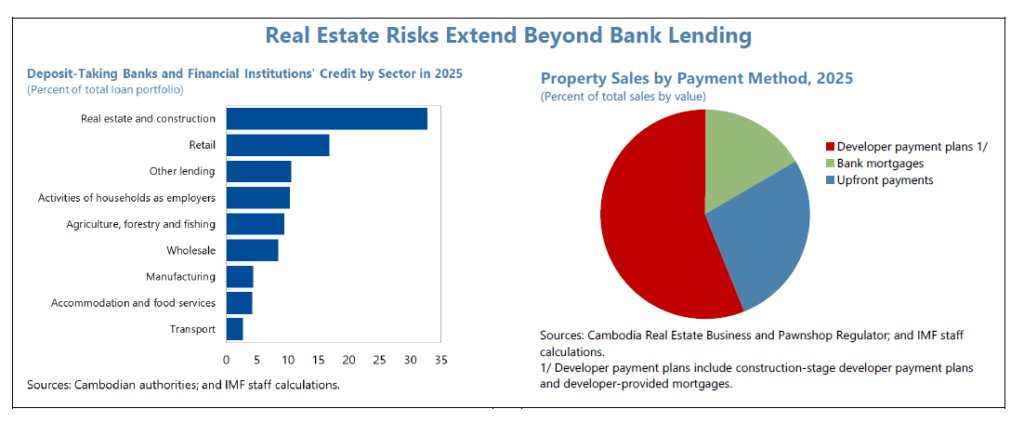
报告重点关注了房地产市场的长期低迷对银行业的影响。IMF指出,金融环境收紧、信贷与存款增长放缓,以及银行贷款组合面临的压力,正对经济活动产生负面影响。此外,能源价格上涨带来的通胀压力已在经济中广泛扩散。
IMF预计,柬埔寨经济增长有望在2027年回升至4%,通胀率届时将放缓至3.1%。然而,该机构警告称,如果房地产市场持续低迷、银行贷款压力加剧,或贸易与能源供应出现中断,经济放缓的程度可能会进一步加深。
📋 简要摘要 ▸
国际货币基金组织(IMF)将柬埔寨2026年经济增长预期下调至3%,通胀率预计达5.6%,并警告房地产及银行业风险。
📋 完整原文 ▸
[来源: CIR] [分类提示: NEWS]
标题: IMF Sees Cambodia Growth Slowing to 3% and Inflation Reaching 5.6% in 2026 as Property and Banking Risks Mount
Cambodia Investment Review
Cambodia’s economy is expected to grow 3% in 2026, down from 5.3% last year, while inflation is projected to average 5.6%, the International Monetary Fund said in its latest assessment.
The IMF expects growth to recover to 4% in 2027 and inflation to ease to 3.1%. It warned, however, that a prolonged property downturn, pressure on banks’ loan portfolios and potential disruptions to trade or energy supplies could make this year’s slowdown more severe.
Higher energy prices initially drove inflation, but price pressures have since spread more broadly through the economy, the fund said.
The assessment was released Monday after the IMF Executive Board completed its annual consultation with Cambodia on September 22. It presents a more difficult near-term outlook for an economy supported by manufacturing exports, foreign investment and infrastructure projects in 2025, even as domestic demand remained weak.
Property downturn adds pressure to banks
Cambodia’s prolonged real estate correction is a central concern in the IMF’s assessment. The fund said tighter financial conditions, weaker credit and deposit growth, and rising pressure on banks’ loan portfolios are weighing on activity.
Read More: IMF Completes Cambodia Article IV Mission, Cuts 2026 Growth Forecast to 3% on Energy, Tourism and Property Risks
The end of regulatory forbearance has ma